


How to Lower Your Pool Maintenance Costs Without Cutting Corners
After a long day, a dip in your pool is the perfect way to unwind. However, pool maintenance costs are anything but relaxing. Fortunately, there are several ways to reduce pool maintenance costs, such as lowering your utility bills and preventing water waste.
Here are 6 tips and tricks to reduce pool maintenance costs without compromising on safe, crystal-clear water.
1. Use Pool Covers Throughout the Year
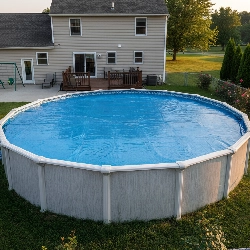
Solar pool covers reduce evaporation and prevent debris from accumulating in your swimming pool. By covering your pool, you lose less water, saving on water bills, and stop leaves, insects, flowers, and other debris from landing in the water. A cleaner pool means less time spent on skimming and maintaining its chemical balance.
Most importantly, solar pool covers keep your pool warm by retaining the heat in the pool, reducing the strain on your pool heater and cutting back on heating expenses.
When it's time to close your pool, switch to a winter pool cover to protect your pool from evaporation and debriss accumulaqtion during the cold season.
2. Maintain Your Pool Regularly
Regular preventative maintenance is the best way to decrease pool maintenance costs. Excessive dirt, debris, or algae buildup can disrupt the chemical balance of your pool. Algae can turn your pool green, creating a safety hazard that requires much more money and effort to skim and clean.
To prevent that from happening, here are some pool maintenance chores you should do regularly:
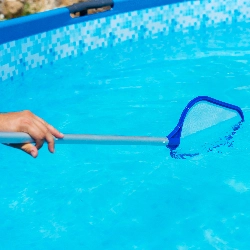
Skim daily. Make it part of your daily routine to skim the pool surface to remove leaves and debris. If you wait too long, leaf buildup will take longer to clean, costing you time or additional cleaning fees. A dirty pool increases the strain on your filter and other cleaning equipment, ultimately costing more money.
Brush daily. Use a telescopic-handled brush to scrub away any algae and bacterial growth from the sides of the pool. Add algaecide ever 1-2 weeks to prevent algae buildup, a common cause of a green pool.
Vacuum weekly. A vacuum is an effective way to remove debris from the pool. Run your pool vacuum at least once a week, or more frequently if needed.
Monitor filters regularly. A cleaner pool exerts less strain on your pool filter. Your filtration system is likely to last longer if you clean it when the pressure gauge reads 8-10 psi higher than normal. (You should have your baseline reading from when the filter was installed.)
How often you need to clean your pool filter depends on environmental factors, such as how much debris lands in your pool. Clean your filter as needed to prevent clogging.
Good pool maintenance includes maintaining pool cleaning equipment as well. To extend the lifespan of your tools, store pool equipment in a cool, shaded place. After you finish using your tools, rinse them under clean water to remove chemicals and protect them from corrosion.
3. Monitor the Chemical Balance
Every week or two, or when free chlorine falls below 3 ppm, give your pool a shock treatment to maintain the correct chemical balance. The right chemical balance is important for safety, cleanliness, and protecting cleaning tools from damage and the need for repairs. Reducing the likelihood of algae and bacteria growth in your pool ensures it stays safe for swimmers.
When chlorine levels are too high, they corrode equipment more quickly. An imbalanced pH can cause scale and damage the pool liner and equipment. Monitor your pool’s pH and maintain consistent chlorine and alkalinity levels to create a safe environment now and save money in the long run.
4. Go Eco-Friendly with a Solar Heater
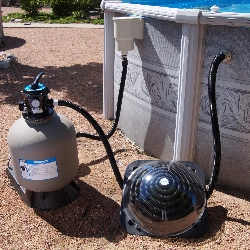
On cool evenings, a pool heater sets the water at a comfortable temperature. To lower maintenance costs, opt for a solar-powered heater instead of a traditional pool heater. A solar heater is an eco-friendly solution that reduces both energy costs and your carbon footprint.
5. Use a Variable-Speed Pump
Variable-speed pumps reduce energy expenses by altering the energy output used to clean your pool. This stops the pump from using more energy than needed.
By running a variable-speed pump 24/7 and maintaining your pool’s chemical balance, you get the same sparkling-clean pool while keeping your energy bill lower. It also saves you the expense of purchasing more chemicals and trying to fix your chemical balance later on.
6. Don't Overfill Your Pool
Even the slightest splash can send water lapping out of an overfilled swimming pool. Filling your pool too high causes it to frequently lose water, so you’ll have to replenish its supply continually. Constant water loss increases your water bill and requires more chemicals to maintain chemical balance, increasing maintenance costs.
By following these low-maintenance tips, you’ll be able to enjoy a safe, clean pool all summer long without breaking the bank. Check out Doheny.com to see a comprehensive selection of top-quality tools and equipment for your swimming pool maintenance needs.

Meet Your Author
Danielle Gorski writes informative articles on lawn care, outdoor living, and more. She also enjoys swimming, and her experience skimming pools showed her how time-consuming pool care can be without regular maintenance.


