


Pool Maintenance in Extreme Heat: Easy Care for Beginners
Understanding the Impact of a Heat Wave on Your Pool
Taking care of your pool during a heat wave is different from your usual routine. When temperatures rise above 90°F, pool water can change quickly. Chlorine breaks down faster, algae can develop more easily, and water levels may gradually drop. A pool that looks clear and balanced one week can turn cloudy or green the next if adjustments are not made. The best way to stay ahead is to focus on the three C’s: circulation, cleaning, and chemistry. When these work together, your pool is better prepared for extreme heat. Keep water moving consistently, clean surfaces regularly, and stay aware of chemical balance. Simple heat management habits, like adding shade, running equipment during cooler hours, and keeping an eye on water levels—also help prevent small issues from becoming bigger problems.
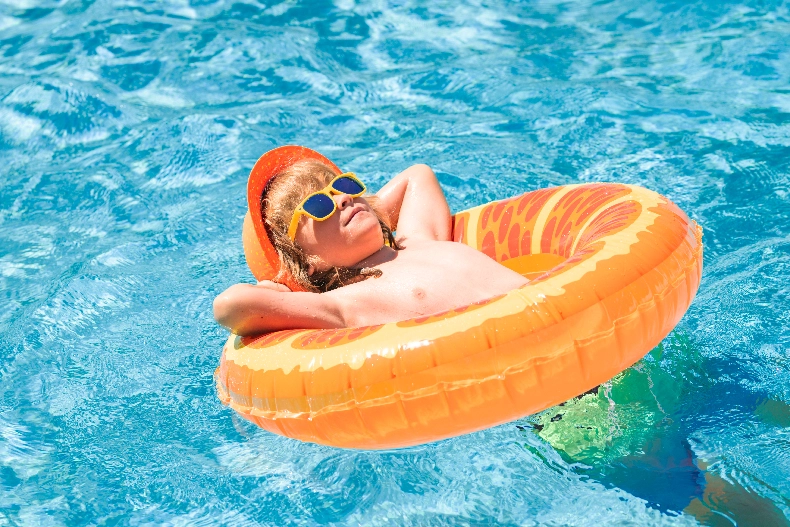
The 3 C's of Pool Maintenance in Extreme Heat
Circulation: Why Your Pump Matters More in Extreme Heat
Circulation is your first line of defense. In extreme heat, still water creates the perfect environment for algae, especially in corners, steps, and shaded areas where movement is limited. Strong water flow helps distribute sanitizer evenly and prevents buildup from settling. That’s why extended, 24/7 pump operation, especially during periods of high heat, is highly recommended to maintain consistent water quality. Variable-speed pumps can run continuously at lower speeds for efficiency, and incorporating overnight circulation can further help stabilize temperature while keeping water properly filtered.
Cleaning: Preventing Buildup Before it Starts
Cleaning becomes more important in summer as pools see more use and collect more debris. Swimmers introduce oils and lotions, while wind can carry in dirt and leaves. Over time, this buildup increases chlorine demand and creates conditions that allow algae and bacteria to thrive. Routine brushing and debris removal go a long way in preventing issues. Focus on areas where water movement is weaker, as these spots are more likely to develop buildup. Skimming regularly and keeping surfaces clean helps your sanitizer work more effectively and keeps the pool looking clear.
Chemistry: Why Balance Changes Faster in Hot Weather
Water chemistry is where heat has the most noticeable impact. Higher temperatures and direct sunlight cause chlorine to dissipate more quickly, reducing its effectiveness against contaminants. As a result, water that was recently balanced can shift out of range in just a few days. This is the section where consistency matters most. During periods of extreme heat or heavy pool use, test your water more frequently than your normal routine. Pay close attention to free chlorine, pH, total alkalinity, calcium hardness, and cyanuric acid (CYA).
Free Chlorine: 1–4 ppm | pH: 7.2–7.6 | CYA: 30–50 ppm
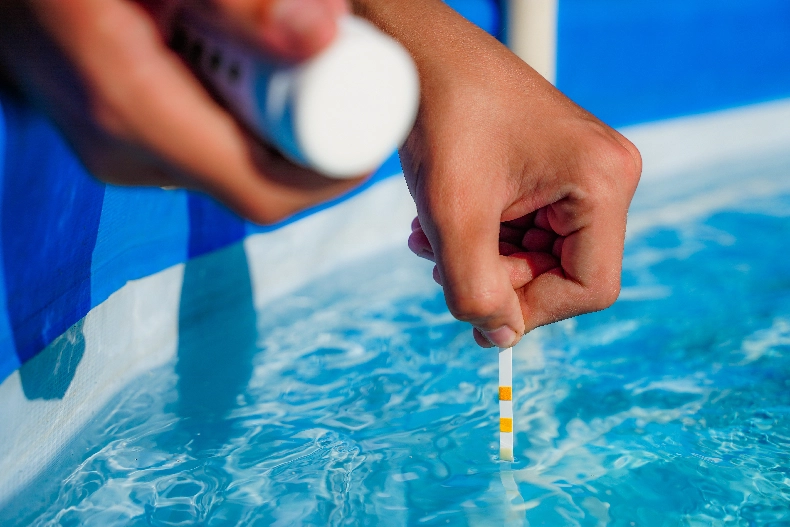
Balancing Your Water During High Temperatures
Baking Soda vs. Alkalinity Increaser: What's the Difference?
Alkalinity can be confusing, especially when comparing household options to pool-specific products. Baking soda and alkalinity increaser both contain sodium bicarbonate and will raise total alkalinity. The difference comes down to consistency and ease of use. Pool products are designed for predictable dosing, while baking soda may require larger amounts and more careful adjustments. Because water balance can shift quickly in extreme heat, using products designed for pools often makes it easier to maintain stable conditions. Focus on keeping your overall chemistry within recommended ranges, rather than chasing exact numbers with frequent large adjustments.
Water Temperature: Heat vs. Pool Clarity
Warm water naturally increases the likelihood of cloudiness and algae growth. As temperatures rise, sanitizer demand increases, and maintaining clarity requires more attention. Pools are generally easier to manage when water temperatures stay in the upper 70s to low 80s. To help control heat, consider running your system during cooler parts of the day, adding shade where possible, or using water features to promote cooling through evaporation. Avoid quick fixes which can disrupt balance and have little long-term effect.
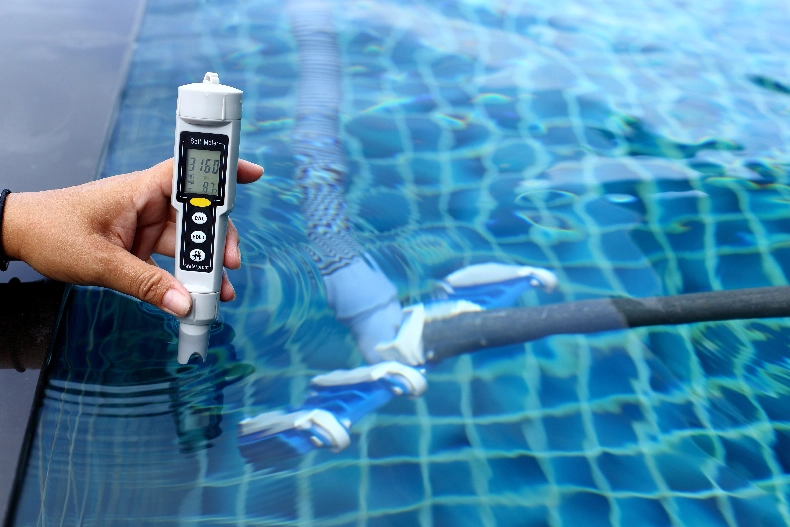
Algae Prevention and Treatment in Hot Weather
Why Algae Grows Faster in Heat
Algae is one of the most common challenges during a heat wave, and it can appear quickly. Even after treatment, microscopic spores remain present, waiting for favorable conditions. Warm water, strong sunlight, and insufficient sanitizer levels create the perfect environment for growth. Maintaining balanced water and consistent care routines significantly reduces the likelihood of an outbreak.
How to Keep Algae from Coming Back
Preventing algae is much easier than treating it. A combination of steady circulation, regular surface cleaning, and balanced chemistry creates conditions where algae struggles to grow.
Monitor water balance regularly
Keep surfaces clean, especially in low-flow areas
Ensure water is circulating effectively
Use a preventative algaecide if needed
If algae does appear, act quickly. Green algae usually responds well to brushing and shock treatment, while black and mustard algae may require more aggressive cleaning and targeted treatment. Addressing the issue early helps prevent it from spreading.
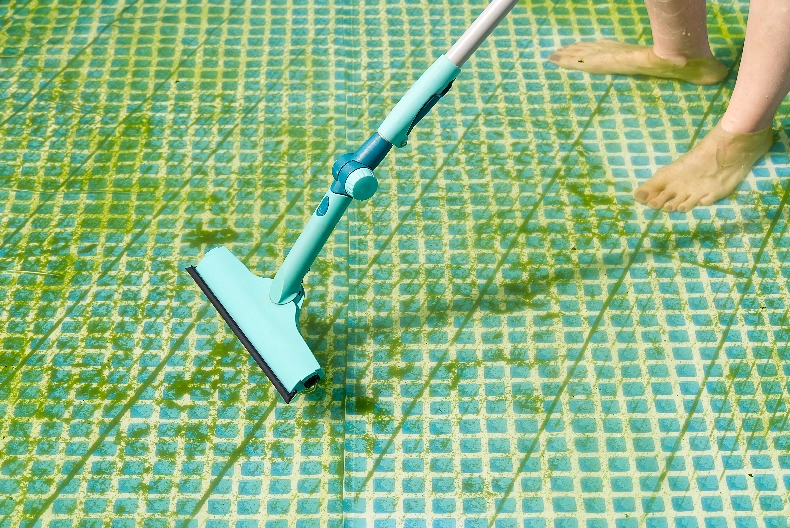
Pool Equipment and Water Level Management
Why Your Pump and Filter Work Harder in Heat
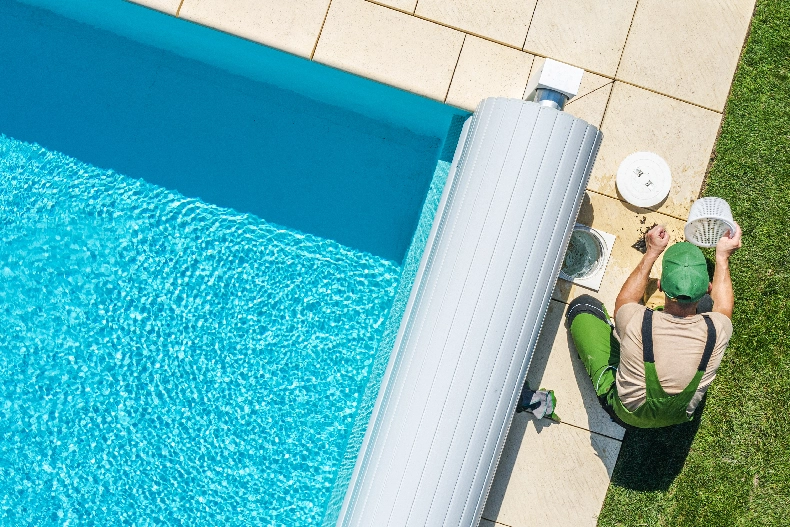
Higher temperatures and increased usage put additional strain on your pool equipment. When circulation or filtration is compromised, water clarity can decline quickly. Keeping your system running efficiently is essential for maintaining overall balance. Check your filter pressure regularly and clean or backwash as needed. Empty skimmer and pump baskets frequently, and make sure the equipment area has proper airflow to prevent overheating. Small maintenance steps can make a noticeable difference in performance.
Higher temperatures and increased usage put additional strain on your pool equipment. When circulation or filtration is compromised, water clarity can decline quickly. Keeping your system running efficiently is essential for maintaining overall balance. Check your filter pressure regularly and clean or backwash as needed. Empty skimmer and pump baskets frequently, and make sure the equipment area has proper airflow to prevent overheating. Small maintenance steps can make a noticeable difference in performance.
Maintaining Proper Water Levels
Water levels are easy to overlook but play a critical role in proper circulation. Heat, sun exposure, wind, and dry air all contribute to faster evaporation. If the water level drops too low, the skimmer may not function correctly, which can affect filtration and strain your pump. Check levels regularly and keep the water near the midpoint of the skimmer opening. If you notice a sudden drop, investigate further to rule out leaks. Using a solar pool cover can significantly reduce evaporation and help maintain more stable conditions.
Staying Consistent During Extreme Heat
During the hottest part of the season, consistency is key. Rather than making large adjustments, focus on small, regular check-ins to keep everything running smoothly. Keep an eye on water clarity, equipment performance, and overall balance. Brushing, maintaining circulation, and monitoring chemical levels will help prevent most common issues. Supporting habits like running equipment during cooler hours or reducing direct sun exposure can further improve results. If problems like cloudiness or algae persist despite regular care, professional service may be needed to diagnose and correct underlying issues.
Final Thoughts: Keeping Your Pool Clear All Season
Pool care during a heat wave does not have to be complicated. A simple, consistent routine makes all the difference. Stay aware of changing conditions, keep water moving, maintain clean surfaces, and support balanced chemistry. Managing heat effectively—through better circulation timing, reduced sun exposure, and monitoring evaporation—can help protect your pool and equipment. With a proactive approach, you can reduce maintenance stress, avoid larger problems, and keep your pool clean, clear, and ready to enjoy all summer long.


